Creating an accessible bathroom goes beyond making a space functional for individuals with disabilities—it ensures comfort, safety, and dignity for everyone who uses it. Whether you’re designing a bathroom for a family member with mobility issues, planning for future needs, or simply looking to create a more inclusive home environment, accessibility is key to making a bathroom safe and usable for all. This complete guide to accessible bathroom design will take you through essential considerations, features, and tips to ensure your space is both functional and stylish.
Understanding Accessible Bathroom Design
Accessible bathroom design prioritises ease of use for individuals with physical limitations, whether due to age, injury, or disability. These bathrooms are designed to eliminate barriers that may make everyday tasks, such as bathing or using the toilet, difficult or unsafe. While the specific requirements for an accessible bathroom can vary depending on the needs of the user, the goal is always to create a space that promotes independence and safety.
Key Considerations for Accessible Bathroom Design
Before diving into the specifics, it’s essential to consider the user’s individual needs. Every person’s requirements will be different, so working closely with the end user during the design process is crucial. Here are some key considerations when planning an accessible bathroom:
- Mobility and Access: Assess the user’s mobility needs. Do they use a wheelchair, walker, or other mobility aids? This will impact the space needed for turning and manoeuvring.
- Grip Strength and Reach: Individuals with limited strength may need easy-to-operate fixtures, like lever handles instead of twist taps, and shelves placed within arm’s reach to avoid straining.
- Safety: Slippery floors, sharp corners, and limited support can make bathrooms dangerous. Consider non-slip surfaces, rounded edges, and proper support systems.
- Comfort and Privacy: The user should feel comfortable and dignified while using the space. Privacy features such as frosted glass or separate shower enclosures can enhance the experience.
Essential Features for Accessible Bathrooms
To create a truly accessible bathroom, it’s important to incorporate key features that promote safety, ease of use, and comfort. Here’s a breakdown of some essential elements to include in your design.
1. Walk-In Showers and Wetrooms
Traditional step-in bathtubs or shower trays can be difficult, if not impossible, for those with limited mobility to use. A walk-in shower, or better yet, a wetroom, provides level access and ample space for manoeuvring.
- Walk-In Showers: These showers feature a low or no threshold, making it easy to enter without stepping over a high edge. They can be fitted with a shower chair or built-in seating to provide extra support for those who need to sit while showering.
- Wetrooms: A wetroom has no barriers, and the entire room is waterproofed, allowing for an open-plan shower area. Wetrooms are ideal for wheelchair users as they allow easy access and ample space for movement.
Both options should include easy-to-use thermostatic controls to avoid sudden temperature changes, which can be a safety hazard.
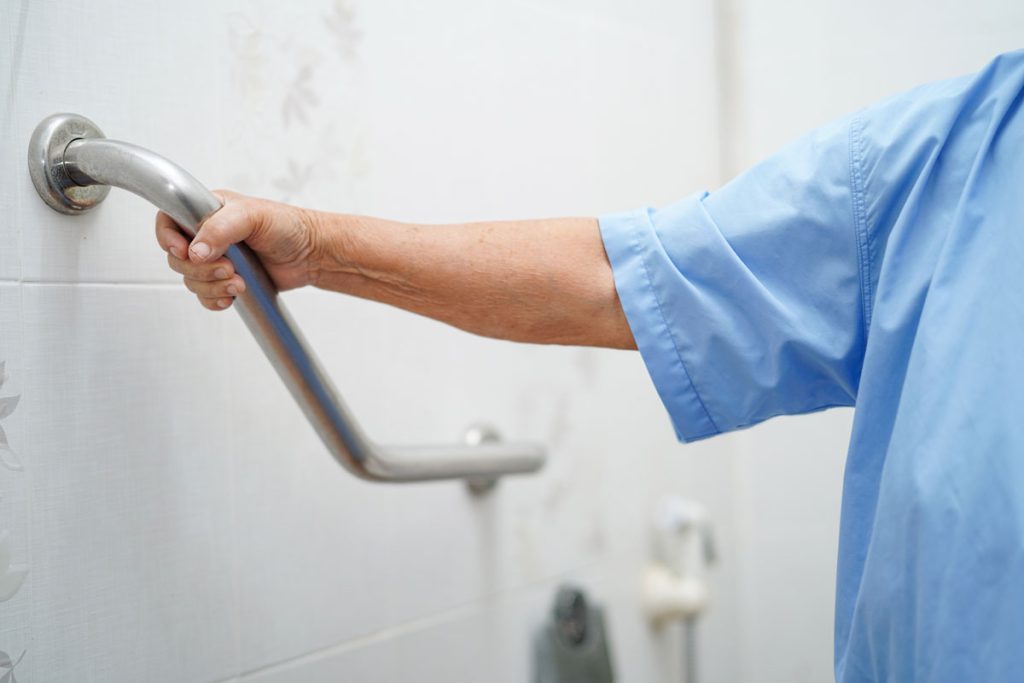
2. Grab Bars and Support Rails
Grab bars and support rails are crucial for maintaining balance and preventing falls. They should be installed in key areas, such as:
- Next to the toilet
- Inside and outside the shower or bathtub
- Along the walls for general support
Make sure the grab bars are securely fixed to the wall and capable of supporting the user’s full weight. They should also be placed at comfortable heights based on the user’s needs. Look for options that blend in with the bathroom’s design, ensuring they are functional yet unobtrusive.
3. Accessible Toilets
A standard toilet may be too low for someone with mobility issues, making it difficult to sit down or stand up. Accessible toilets are higher than standard ones, making it easier for users to transfer from a wheelchair or walker.
Consider a raised toilet seat or installing a toilet specifically designed for accessibility, which may also include armrests or support rails on either side. The placement of the toilet should allow enough space on at least one side for wheelchair transfer or for a carer to assist.
4. Easy-Access Sinks
Sinks in an accessible bathroom should be installed at a height that allows a person in a wheelchair to use them comfortably. Wall-mounted sinks are ideal as they provide more legroom underneath, allowing for wheelchair access. Ensure that the taps are easy to operate—lever-style or sensor-operated taps are excellent options for users with limited grip strength.
Also, ensure that any storage or vanity units are within easy reach, with handles that are simple to grip.
5. Non-Slip Flooring
Bathroom floors are prone to becoming wet, which can make them hazardous, especially for individuals with mobility issues. Choosing non-slip flooring is essential in an accessible bathroom.
Materials such as textured tiles or non-slip vinyl are excellent choices, as they provide traction even when wet. Additionally, consider underfloor heating, which can help dry floors faster and reduce the risk of slipping.
6. Lighting and Visibility
Proper lighting is crucial in any bathroom, but especially in one designed for accessibility. Ensure there is ample lighting throughout the space, with particular attention to task areas such as the sink, shower, and toilet.
Motion-sensor lights can be useful for those who may have difficulty operating switches. Additionally, contrasting colours on floors, walls, and fixtures can help those with visual impairments navigate the space more easily.
Additional Tips for Accessible Bathroom Design
Here are a few more tips to keep in mind as you design your accessible bathroom:
1. Space Planning
Accessible bathrooms need more space than standard bathrooms, particularly if they are being used by a wheelchair user. Aim for at least 1.5 metres of clear turning space to allow for easy manoeuvrability. Ensure that doorways are wide enough for a wheelchair or mobility aid to pass through comfortably—at least 900mm is recommended.
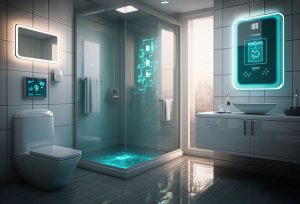
2. Smart Technology
Smart technology can be a game-changer for accessible bathrooms. Consider incorporating features such as:
- Motion-activated taps and lights
- Voice-activated or remote-controlled showers
- Heated towel rails with timers
These features can enhance convenience and ease of use for individuals with limited mobility.
3. Customised Designs
There’s no one-size-fits-all solution for accessible bathrooms. Every design should be tailored to the unique needs of the individual. Consider involving the user in the design process to ensure their specific requirements are met. This not only enhances functionality but also ensures the space feels personal and comfortable.
Maintaining Style and Functionality
Accessible bathrooms don’t have to sacrifice style for functionality. Modern designs seamlessly integrate accessibility features without compromising aesthetics. Here are a few ways to maintain a stylish look while ensuring functionality:
- Choose stylish grab bars and fixtures: Many manufacturers now offer sleek, modern grab bars and rails that blend in with the bathroom’s overall design.
- Use modern tiling and finishes: Non-slip tiles come in a variety of finishes and styles, allowing you to maintain a contemporary or luxurious look.
- Incorporate subtle storage solutions: Wall-mounted cabinets and easy-to-access shelves can keep the space looking sleek while providing necessary storage.
Conclusion
Designing an accessible bathroom requires careful consideration of both the user’s needs and the space itself. From walk-in showers and grab bars to non-slip flooring and customised designs, creating a functional and stylish accessible bathroom is achievable. By focusing on key features that prioritise safety, independence, and comfort, you can ensure that the space meets the needs of its users while maintaining a modern and attractive design. Whether you’re planning for current needs or future-proofing your home, an accessible bathroom is an investment in both practicality and peace of mind.