
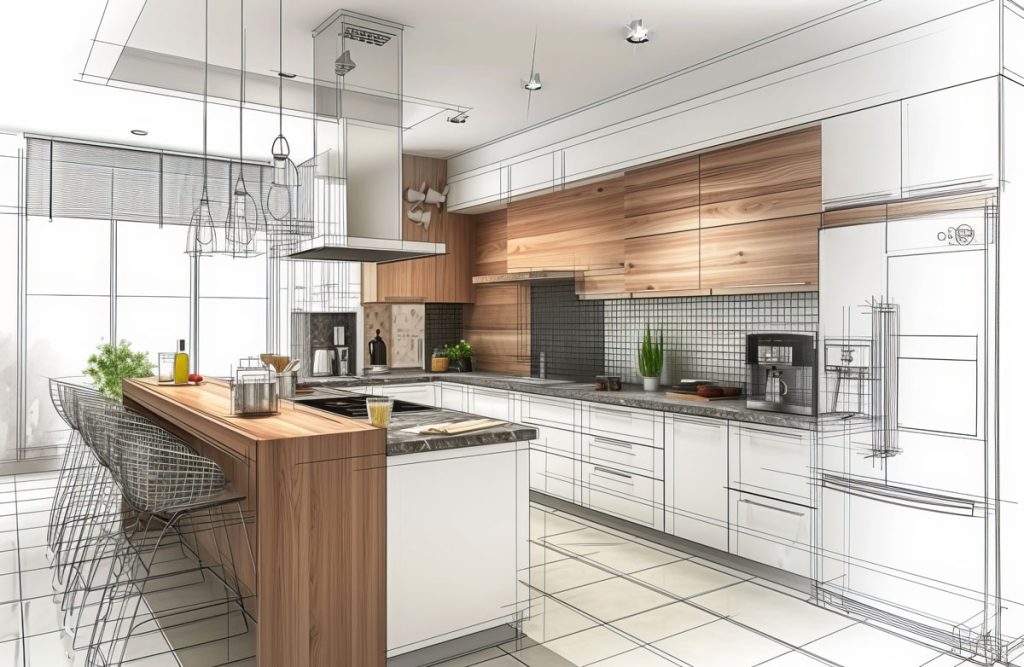
Designing a kitchen can be an exciting and rewarding process. It’s the heart of the home, a space where functionality meets style, and where practicality must align with aesthetics. However, the kitchen is also one of the most complex rooms to design, with many opportunities for mistakes that could impact its usability and comfort. A well-designed kitchen balances efficiency, ease of use, and visual appeal, but overlooking key elements can lead to long-term regrets. This post explores the top kitchen design mistakes to avoid to ensure that your new kitchen is as functional and beautiful as you envision.
1. Neglecting the Kitchen Work Triangle
The kitchen work triangle refers to the optimal arrangement between the three most important areas: the stove, sink, and refrigerator. These are the most used areas in the kitchen, and the flow between them should be smooth to maximise efficiency.
Mistake:
Placing these three elements too far apart, too close together, or obstructing them with other appliances and furniture can cause inconvenience when cooking and moving around the kitchen.
Solution:
To create an efficient work triangle, the distance between the stove, sink, and refrigerator should ideally be between 1.2 to 2.7 metres. This allows easy movement between the areas without too much walking. Ensure no obstacles (like an island) block the flow, and keep the triangle clear of foot traffic.
2. Inadequate Storage Solutions
Lack of storage is a common issue in poorly designed kitchens. Without enough cabinets, drawers, and pantry space, your kitchen can quickly become cluttered and difficult to work in.
Mistake:
Not allocating sufficient storage or overlooking different types of storage needs, such as for larger pots, utensils, or pantry items, can lead to disorganisation and frustration.
Solution:
Plan for a variety of storage options, including deep drawers for pots and pans, overhead cabinets for dishes, and pull-out pantry shelves for easy access to food items. Maximise vertical space by installing cabinets that reach the ceiling, and consider adding corner units or lazy Susans to utilise awkward spaces.
3. Poor Lighting Design
Lighting is often an afterthought in kitchen design, but it’s crucial for both functionality and aesthetics. A poorly lit kitchen can make cooking difficult, and it can detract from the overall atmosphere of the space.
Mistake:
Relying solely on one overhead light fixture can lead to uneven lighting, with shadows over workspaces or poorly lit corners.
Solution:
A layered lighting plan works best for kitchens. This includes task lighting (under-cabinet lighting for food preparation areas), ambient lighting (such as recessed ceiling lights), and accent lighting (like pendant lights over an island or decorative fixtures). Install dimmers to adjust the lighting according to the time of day or mood, and ensure all work areas are well-illuminated.
4. Choosing Style Over Functionality
It’s easy to get swept away by beautiful kitchen design trends, but prioritising style over practicality can result in a kitchen that’s visually appealing but difficult to use.
Mistake:
Opting for trendy but impractical materials, appliances, or layouts that don’t suit your lifestyle can diminish your kitchen’s functionality. For example, choosing open shelving for aesthetics when you need more closed storage, or glossy surfaces that show fingerprints easily.
Solution:
Strike a balance between style and functionality. Choose materials and finishes that are both attractive and durable, such as quartz countertops or stainless steel appliances. Ensure the layout suits your cooking and entertaining needs, and prioritise ease of cleaning and maintenance over purely decorative elements.
5. Inadequate Counter Space
Countertop space is crucial in the kitchen, as it’s where you’ll be preparing meals, storing small appliances, and even entertaining guests. Skimping on counter space can make your kitchen feel cramped and hinder your ability to work efficiently.
Mistake:
Designing a kitchen with limited countertop space or cluttering it with appliances and décor leaves you with little room for meal preparation and cooking tasks.
Solution:
Maximise countertop space by designing an open layout or adding an island with additional surface area. Consider incorporating pull-out worktops for extra prep space when needed, and be mindful of how much counter space each appliance takes up. Keep countertops clutter-free by using smart storage solutions for items that don’t need to be out at all times.
6. Forgetting About Ventilation
Good ventilation is essential in a kitchen to remove cooking odours, smoke, and grease from the air. Poor ventilation can lead to lingering smells and even damage to cabinetry and surfaces over time.
Mistake:
Overlooking the need for an effective range hood or extractor fan, or choosing a model that isn’t powerful enough to properly ventilate the kitchen.
Solution:
Invest in a high-quality range hood or ventilation system that suits your cooking style. If you do a lot of frying or grilling, you’ll need a more powerful system to remove smoke and grease. Ensure the ventilation system is correctly installed to vent outside, rather than recirculate air within the kitchen.
7. Ignoring Ergonomics
Kitchen ergonomics play a significant role in making your kitchen comfortable and easy to use. Poor ergonomics can lead to strain and discomfort, especially if you spend long hours cooking or cleaning.
Mistake:
Installing cabinets, countertops, or appliances at inappropriate heights can make everyday tasks more difficult and uncomfortable. For example, counters that are too high or low for your height, or ovens and microwaves placed too far out of reach.
Solution:
Ensure that the workspaces, including counters, sinks, and appliances, are positioned at the correct height for the primary user of the kitchen. Standard countertop heights are around 90 cm, but this can be adjusted based on individual needs. Install wall-mounted ovens or microwaves at a comfortable level, and consider pull-out drawers instead of deep cupboards for easier access.
8. Overlooking Appliance Placement
Appliance placement is crucial for ensuring an efficient workflow in the kitchen. Improperly positioned appliances can cause bottlenecks or make tasks more difficult.
Mistake:
Placing appliances too close together or in awkward locations, such as a refrigerator door that blocks entry when open, or a dishwasher located far from the sink.
Solution:
Plan the placement of appliances carefully, ensuring there is enough room for doors to open without obstructing walkways or other work areas. The refrigerator should be easily accessible from the prep area, and the dishwasher should be near the sink for convenient loading. Consider how each appliance will be used and positioned in relation to the work triangle.
9. Not Planning for Waste Management
Waste management is often an afterthought in kitchen design, but having a convenient and functional waste disposal system is essential for maintaining a clean and organised space.
Mistake:
Not incorporating enough bins or recycling stations, or placing them in awkward or hard-to-reach locations, can lead to clutter and frustration.
Solution:
Integrate waste management into your kitchen design by installing pull-out bins that include compartments for rubbish, recycling, and compost. Position them near the prep area for easy access when cooking, and ensure there is enough space for proper disposal of waste without taking up valuable floor space.
10. Underestimating Your Budget
Kitchens are one of the most expensive rooms to renovate, and it’s easy to underestimate costs if you don’t plan carefully. Overspending on certain elements can leave you with less for essential features or lead to budget cuts in crucial areas.
Mistake:
Failing to set a realistic budget or allocating funds unevenly can result in either running out of money before the project is finished or cutting corners in quality.
Solution:
Create a detailed budget at the start of your project, taking into account all potential expenses, including materials, labour, appliances, and unexpected costs. Prioritise essential items such as cabinetry, countertops, and appliances, and allocate remaining funds to finishes and décor. Be prepared to adjust your budget as the project progresses, and always keep a contingency fund for unexpected expenses.
Conclusion
Designing a kitchen requires careful planning and attention to detail. Avoiding these common mistakes will help ensure that your new kitchen is not only stylish but also practical, efficient, and enjoyable to use. By focusing on functionality, planning for adequate storage, lighting, and layout, and prioritising quality materials, you’ll create a space that meets your needs and enhances your daily routine. Whether you’re renovating an existing kitchen or designing a new one from scratch, keeping these tips in mind will help you avoid costly mistakes and create the perfect kitchen for your home.